
Home Medical Equipment: What You Need After Hospital Discharge
Going home after a hospital stay often means needing the right medical equipment. Here is a comprehensive guide to what you may need and how to arrange it quickly in Dubai.
Hospital discharge is a significant milestone in any patient's recovery — but the transition from hospital to home can feel overwhelming, particularly when it involves adapting your home environment to meet new medical needs. The right equipment, properly set up and explained, makes this transition far smoother and significantly reduces the risk of complications or readmission.
At Sunface HomeCare, we provide professional medical equipment delivery, setup, and support across Dubai. This guide covers the most commonly needed types of equipment after hospital discharge and how to ensure your home is ready before you arrive.
The Discharge Gap: Why Equipment Matters
The period immediately following hospital discharge is statistically the highest-risk phase of recovery. Without the right equipment in place, patients may be unable to monitor vital signs, manage their own breathing needs, or move safely around their home. This raises the risk of falls, symptom deterioration, and emergency readmissions.
Hospitals in Dubai typically discharge patients with a medication list and follow-up appointment — but the practical question of what equipment is needed at home, and how to obtain it quickly, often falls to the patient's family. Planning ahead, ideally 24–48 hours before discharge, ensures there are no gaps in care.
Essential Equipment for Common Conditions
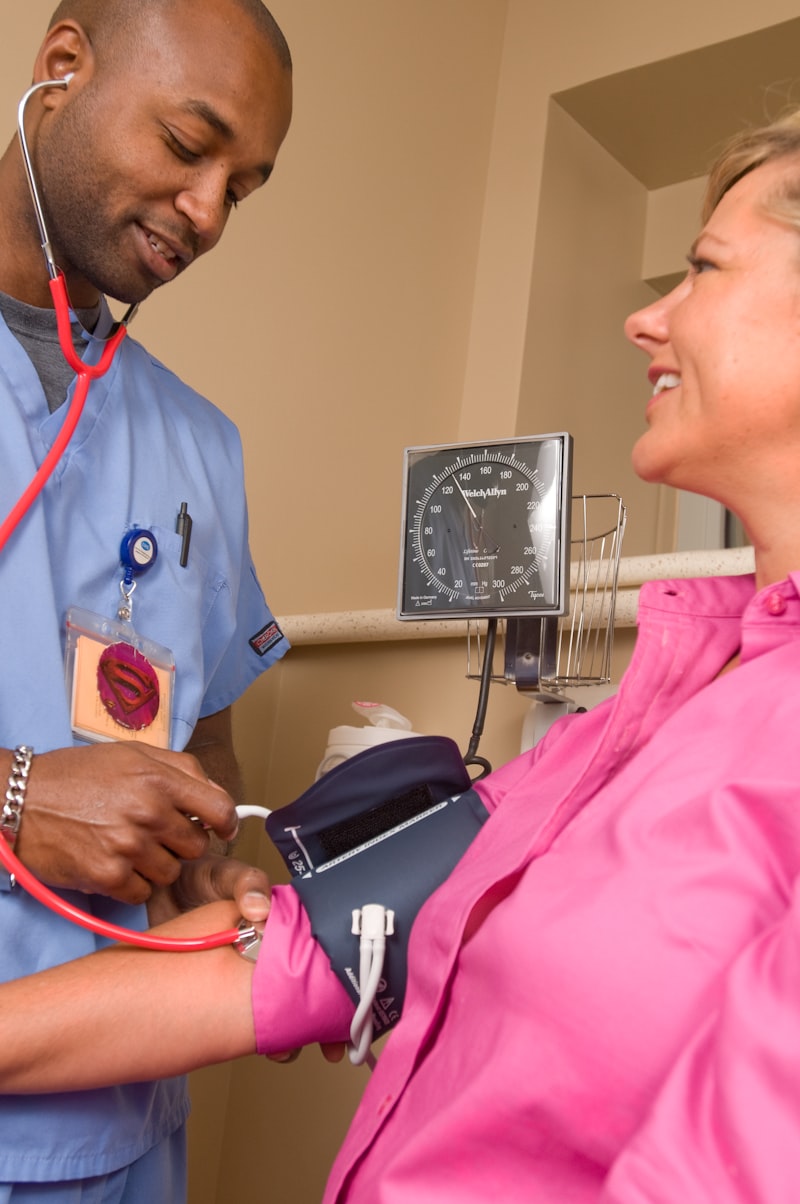
Patients recovering from cardiac or respiratory conditions often require an oxygen concentrator, pulse oximeter (to monitor blood oxygen levels), and a blood pressure monitor. Those with diabetes need a calibrated glucometer and lancets. Patients recovering from surgery or with mobility impairments typically need a hospital-grade adjustable bed, a pressure-relieving mattress, a walking frame or wheelchair, and potentially a patient hoist for safe transfers.
For patients managing respiratory conditions such as COPD or asthma, a nebulizer is often essential for medication delivery. Post-surgical patients may also require a CPAP machine for sleep apnoea management. All of these devices are available for rental through Sunface HomeCare, delivered and set up in your home within 24 hours of confirmation.
Renting vs Buying: Which Is Right for You?
For short-term needs — typically anything under six months — equipment rental is almost always the better financial choice. You pay only for the period you need the device, and you avoid the cost of purchase, maintenance, and eventual disposal. For longer-term or permanent needs, purchasing may become more cost-effective, though this should be evaluated on a case-by-case basis with your medical team.
Rental also gives you the flexibility to upgrade or change equipment as your condition evolves. If you start with a basic oxygen concentrator and later require a higher-flow model, a rental arrangement makes this adjustment simple. If you had purchased, you would need to resell or trade in the original device.
Professional Setup, Training, and Ongoing Support
Equipment is only useful if it is correctly set up and safely operated. When Sunface HomeCare delivers medical equipment to your home, a qualified technician installs and calibrates each device according to manufacturer specifications and your physician's prescription (where applicable). Nothing is left configured incorrectly or left unexplained.
More importantly, every delivery includes a comprehensive training session for both the patient and their primary family caregiver. You will learn how to operate the device, recognise when it is functioning incorrectly, clean and maintain it safely, and what to do in case of malfunction. Our 24/7 support line ensures you are never alone with a technical issue — day or night.
Need Home Care?
Our clinical team is ready to arrange a home visit anywhere in Dubai — same day availability.
WhatsApp Us Now+971525409170