

The Benefits of Physiotherapy at Home After Surgery
Post-surgical physiotherapy at home accelerates recovery, reduces pain, and restores function — find out why more Dubai patients are choosing to rehabilitate at home.
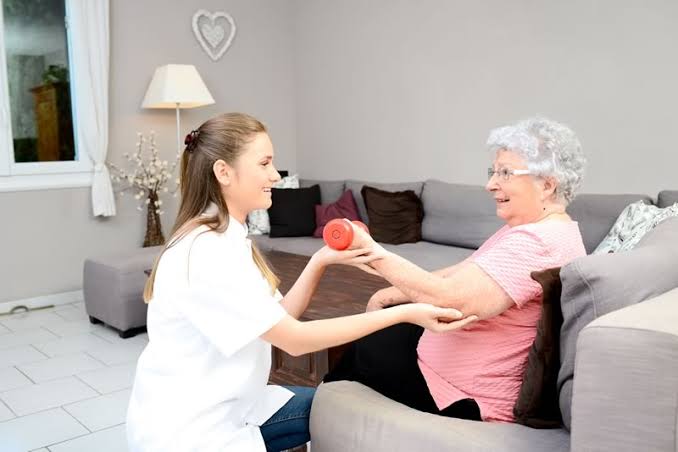
Surgery is only the first step in recovery. Whether you have had a hip replacement, knee reconstruction, spinal surgery, or a cardiac procedure, the quality of your rehabilitation in the weeks following the operation will largely determine how fully and how quickly you regain function. For many patients in Dubai, home physiotherapy is now the gold standard of post-surgical rehabilitation.
Sunface HomeCare's DHA-licensed physiotherapists visit patients in their homes across Dubai, delivering targeted rehabilitation programmes that are tailored to each patient's specific surgery, fitness level, and recovery goals.
Why Post-Surgical Physiotherapy Matters
After surgery, the body enters a healing process that is profoundly influenced by movement. Controlled, progressive exercise — guided by a trained physiotherapist — reduces inflammation, prevents the formation of scar tissue that can limit range of motion, maintains muscle strength around the operated area, and restores normal movement patterns.
Patients who begin physiotherapy early after surgery consistently achieve better outcomes than those who wait. Research shows that patients who start post-operative rehabilitation within the first week of discharge return to full activity faster, require fewer follow-up interventions, and report higher satisfaction with their surgical outcome.
Why Home is the Best Environment for Recovery
Commuting to a physiotherapy clinic in the early weeks after surgery is not just inconvenient — for many patients it is genuinely painful and potentially harmful. Patients recovering from hip or knee surgery, for example, must navigate stairs, vehicles, and waiting rooms at a time when weight-bearing and movement are carefully controlled. The journey itself can undo the work of the session.
At home, your physiotherapist works with you in your actual living environment — assessing how you navigate your specific stairs, bathroom, and bedroom, and tailoring exercises to help you regain independence in your real surroundings. This ecological validity makes home physiotherapy more practical and more effective than clinic-based care in the early stages of recovery.
What a Home Physio Session Looks Like
At the first visit, your physiotherapist conducts a thorough assessment — reviewing your surgical notes, assessing range of motion and strength, checking the wound site, evaluating your gait and balance, and discussing your recovery goals. From this, a personalised rehabilitation programme is designed with clear short-term milestones.
Each subsequent session builds on the last, progressing exercises as your strength and mobility improve. Sessions typically last 45–60 minutes and include manual therapy techniques, targeted strengthening and stretching exercises, gait re-education, and guidance on activities of daily living. You also receive a home exercise programme to work on between visits.
Conditions That Benefit Most from Home Physiotherapy
Beyond surgical recovery, home physiotherapy is highly effective for stroke rehabilitation, neurological conditions such as Parkinson's disease and multiple sclerosis, chronic back and neck pain, hip and knee osteoarthritis, falls prevention in elderly patients, and chronic obstructive pulmonary disease (COPD) management.
If you or a family member is recovering from any of these conditions, a home physiotherapy assessment is the best first step. Your physiotherapist will evaluate your individual situation and design a programme that addresses your specific limitations — with the goal of maximising independence, reducing pain, and improving quality of life.
Need Home Care?
Our clinical team is ready to arrange a home visit anywhere in Dubai — same day availability.
WhatsApp Us Now+971525409170